Disrupting the destabilising impacts of organized crime in West Africa.

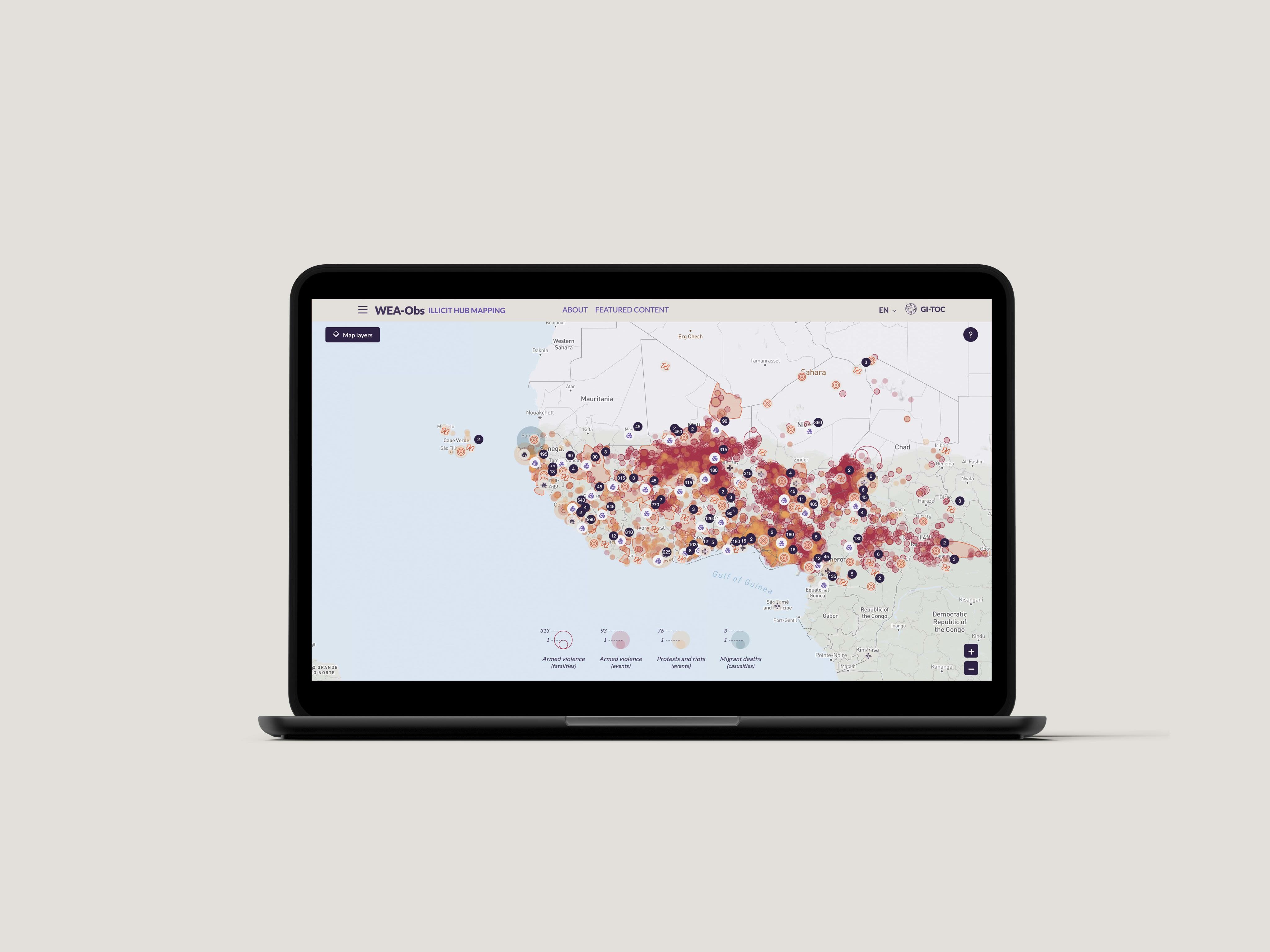
Three years on, the second iteration of the illicit hub mapping project is in the final stages of development. Building on important additions to the Monitor and an extensive existing evidence base, the 2025 edition will capture the most recent trends relating to illicit economies and instability across West Africa.
The updated illicit hub mapping allows for analysis of illicit economy engagement by actor type, as well as a spatial analysis of illicit hubs. It also considers the hubs' instability typologies and their roles within regional illicit ecosystems. As such, it will continue to be an invaluable tool for decision-making, resource allocation and regional analysis.


Comments
Post a Comment